Understanding Dating App Burnout
The modern dating landscape has fundamentally shifted over the past decade. What once seemed like a revolutionary way to meet potential partners—the simple swipe—has become a source of exhaustion for millions. Dating app burnout is now a recognized phenomenon affecting users across all major platforms, and Tinder, with its 50 million active users, is at the epicenter of this crisis.
Dating app burnout represents a genuine psychological and emotional fatigue that stems from the repetitive nature of online dating. Users report feeling overwhelmed by the endless stream of profiles, the pressure to maintain witty conversations with multiple matches, and the emotional toll of frequent rejections or ghosting. The gamification of dating—turning human connection into a swipe-based mechanic—has created an environment where quantity often overshadows quality.
Research indicates that many users spend hours swiping through profiles without experiencing meaningful interactions. The paradox of choice, a well-documented psychological phenomenon, suggests that having too many options can actually decrease satisfaction and increase decision fatigue. When faced with hundreds or thousands of potential matches, users often feel paralyzed or, conversely, become increasingly dismissive of profiles in rapid succession.
The symptoms of dating app burnout are varied. Some users report feeling jaded about the entire process, questioning whether genuine connections are possible through these platforms. Others experience anxiety about their own desirability, constantly refreshing their profiles or obsessing over match rates. Still others simply feel exhausted by the emotional labor required to engage authentically with strangers.
The Scale of the Problem
Tinder's 50 million users represent a significant portion of the global online dating market, making the platform's struggles indicative of broader industry challenges. When such a massive user base begins experiencing burnout, it signals a fundamental issue with the current model. User retention has become increasingly difficult, with many people cycling through periods of a

This burnout isn't limited to casual users. Even those genuinely seeking long-term relationships report feeling exhausted by the process. The constant need to present an optimized version of oneself, craft engaging opening messages, and navigate the complex social dynamics of online dating creates a significant emotional burden.
Why AI Is the Answer
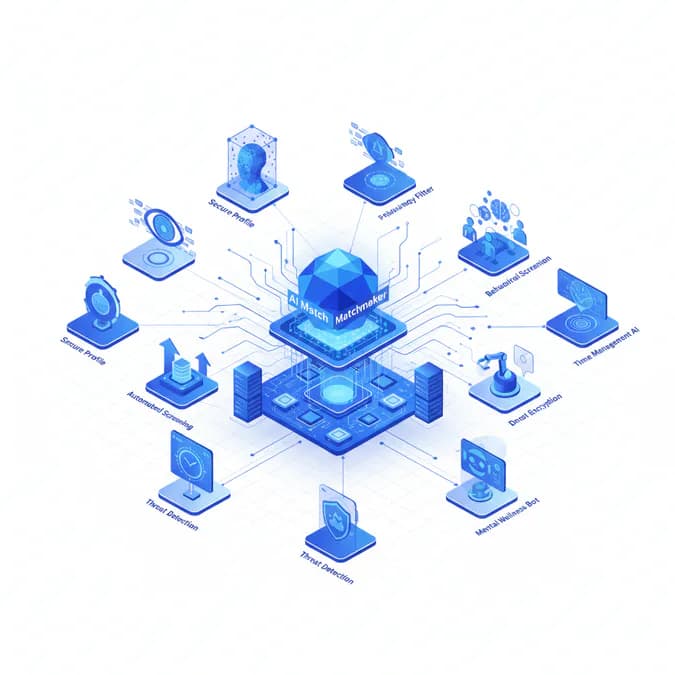
Recognizing this crisis, Tinder is investing heavily in artificial intelligence solutions to revitalize the user experience. AI technology offers several potential benefits that could address the core issues driving burnout.
Improved Match Quality
AI can improve match quality by analyzing user behavior patterns, preferences, and communication styles to suggest more compatible matches. Rather than presenting users with a seemingly endless stream of profiles, AI algorithms can prioritize potential matches that have a higher likelihood of resulting in meaningful connections. This reduces the cognitive load of swiping and increases the probability of successful interactions.
Enhanced Communication
AI-powered features can enhance communication through smart reply suggestions, conversation starters, and real-time translation. By reducing the pressure to craft the perfect message, users may feel less anxious about their communication abilities.
Personalized Experience
AI can personalize the experience based on individual user behavior. Some users prefer quantity and enjoy the browsing experience, while others want fewer, higher-quality matches. Machine learning algorithms can adapt the platform to match individual preferences, creating a more tailored experience.
Safety and Authenticity
AI can help filter out low-quality interactions by identifying patterns associated with ghosting, harassment, or inauthentic profiles. This creates a safer, more respectful environment that encourages genuine engagement.
The Technology Behind the Solution
Tinder's AI initiatives likely involve several technological approaches. Natural language processing can analyze conversation patterns to identify when interactions are becoming stale or when users might benefit from a conversation starter. Computer vision technology can help verify profile authenticity and ensure that photos match user descriptions.
Machine learning models trained on successful matches can identify patterns that predict compatibility. These models consider factors beyond simple preference matching—they analyze communication styles, values, humor, and lifestyle factors that contribute to genuine connection.
Predictive analytics can also help identify users at risk of burnout, allowing the platform to intervene with features designed to re-engage them or adjust their experience to be less overwhelming.
The Broader Industry Implications
Tinder's pivot toward AI reflects a broader recognition within the dating app industry that the current model is unsustainable. Other major platforms are likely exploring similar solutions. The future of online dating may involve less emphasis on endless browsing and more focus on meaningful connections facilitated by intelligent algorithms.
This shift could fundamentally change how people approach online dating. Instead of spending hours swiping, users might spend more time engaging in deeper conversations with fewer, more compatible matches. The experience could become less about quantity and more about quality.
Challenges and Concerns
While AI offers promising solutions, it also introduces new challenges. Privacy concerns arise when platforms collect and analyze detailed user behavior data. Users may worry about algorithmic bias or feel uncomfortable with AI making decisions about their romantic prospects.
There's also the question of whether AI can truly understand the nuances of human attraction and compatibility. While algorithms can identify patterns, they may miss the ineffable qualities that create genuine connection. Some users may prefer the autonomy of choosing their own matches, even if it means experiencing more burnout.
Additionally, over-reliance on AI could create filter bubbles where users only see matches similar to themselves, potentially limiting exposure to people who might challenge or complement them in unexpected ways.
What This Means for Users
For dating app users, these changes could be transformative. The immediate benefit is likely a less exhausting experience. Fewer, more relevant matches mean less time spent swiping and more time spent on meaningful conversations.
Users might also experience improved safety and authenticity. AI-powered verification and fraud detection can help ensure that the people they're connecting with are genuine and trustworthy.
However, users should remain aware of how their data is being used and maintain realistic expectations about what AI can accomplish. Technology can facilitate connection, but it cannot guarantee compatibility or chemistry.
The Path Forward
Tinder's investment in AI represents an acknowledgment that the swipe-based model, while innovative, has reached its limits. The platform is essentially admitting that user experience has degraded and that a fundamental shift is necessary.
This evolution could mark a turning point for the entire online dating industry. As AI becomes more sophisticated, dating apps may become less about browsing and more about intelligent matching. The goal would be to restore the sense of possibility and excitement that drew people to online dating in the first place, while eliminating the burnout that has made the experience increasingly frustrating.
The success of these initiatives will depend on how well they balance algorithmic efficiency with user autonomy, data privacy with personalization, and technological innovation with human understanding. If executed thoughtfully, AI could help restore online dating to what it was meant to be: a tool for finding genuine human connection.
Key Takeaways
- Dating app burnout is a real phenomenon affecting millions of users who experience fatigue from endless swiping and low-quality matches.
- Tinder's 50 million users are increasingly experiencing this exhaustion, prompting the platform to invest in AI solutions.
- Artificial intelligence can improve match quality, enhance communication, personalize experiences, and filter out low-quality interactions.
- The broader dating app industry is likely to follow similar paths, shifting from quantity-focused browsing to quality-focused matching.
- While AI offers significant benefits, concerns about privacy, algorithmic bias, and the loss of user autonomy remain valid considerations.
- The future of online dating will likely depend on how well platforms balance technological innovation with genuine human connection.
FAQs about Dating App Burnout
What is dating app burnout?
Dating app burnout refers to the emotional and psychological fatigue users experience from the repetitive nature of online dating, leading to feelings of exhaustion and disillusionment.
How can AI help with dating app burnout?
AI can enhance the dating experience by improving match quality, personalizing user interactions, and providing tools that reduce the pressure of communication.
Are there any risks associated with using AI in dating apps?
Yes, risks include privacy concerns, potential algorithmic bias, and the possibility of losing the personal touch in matchmaking.
What should users be aware of when using dating apps?
Users should be mindful of how their data is used, maintain realistic expectations about AI capabilities, and prioritize their emotional well-being while engaging on these platforms.
What does the future hold for online dating?
The future may see a shift towards more meaningful connections facilitated by AI, focusing less on quantity and more on the quality of interactions.