Table of Contents

- Understanding Toxic Dating Trends in 2026
- What is Choremance?
- Future-Faking: The Cruelest Toxic Trend
- The Role of Emotional Security in Modern Dating
- Identifying Toxic Dating Patterns
- The Emotional Impact of These Trends
- Breaking Free from Toxic Dating Patterns
- Building Healthier Relationship Dynamics
- Key Takeaways
- Frequently Asked Questions (FAQ)
Understanding Toxic Dating Trends in 2026
The landscape of modern dating continues to evolve, and with it comes a new vocabulary of relationship dynamics that can either strengthen or damage emotional bonds. As we navigate 2026, several toxic dating trends have emerged that deserve our attention and understanding. Among these, choremance and future-faking stand out as particularly damaging patterns that affect countl
Toxic dating trends represent behavioral patterns that undermine trust, emotional security, and authentic connection between partners. These trends often masquerade as normal relationship dynamics, making them difficult to identify without proper awareness. The dating landscape of 2026 has introduced new terminology and behaviors that reflect our increasingly complex approach to romance and commitment.
What is Choremance?
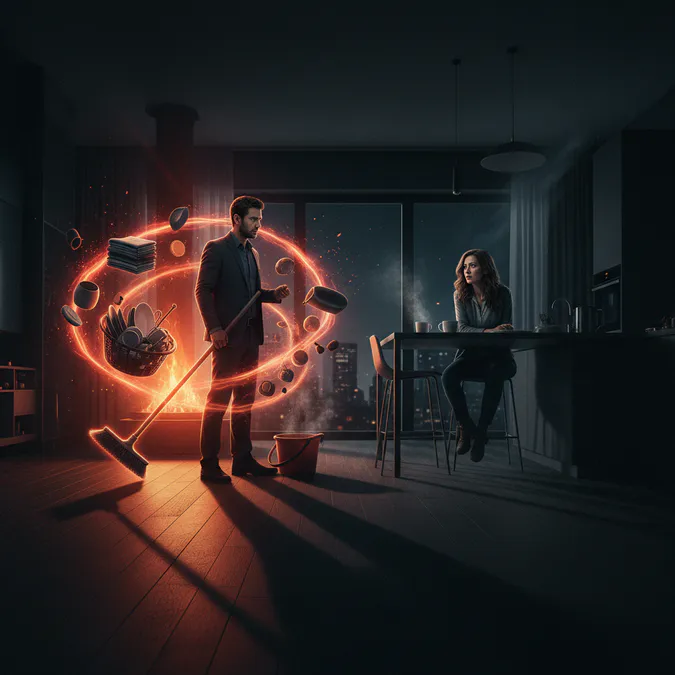
Choremance represents a relationship dynamic where one partner uses domestic responsibilities and household tasks as a substitute for genuine emotional intimacy. Rather than engaging in meaningful conversation, shared experiences, or emotional vulnerability, partners in a choremance focus excessively on coordinating chores, managing household logistics, and dividing domestic labor as their primary form of connection.
While household management is certainly important in any partnership, choremance takes this to an unhealthy extreme. Partners may find themselves discussing only who will handle laundry, grocery shopping, or home repairs, while neglecting deeper emotional conversations. This trend often emerges in busy, modern relationships where both partners juggle multiple responsibilities, but it creates a hollow sense of partnership that lacks genuine intimacy.
The danger of choremance lies in its ability to mask relationship dysfunction. On the surface, a couple practicing choremance may appear organized and functional. They coordinate schedules, divide tasks fairly, and maintain a household efficiently. However, beneath this veneer of partnership lies an emotional void where real connection should exist.
Future-Faking: The Cruelest Toxic Trend
Future-faking represents one of the most emotionally damaging dating trends of 2026. This behavior involves making promises about a shared future—discussing marriage, children, travel plans, or long-term goals—with no genuine intention of following through. Future-fakers paint elaborate pictures of a life together, creating false hope and emotional investment in a relationship that has no real foundation.
What makes future-faking particularly cruel is its psychological impact on victims. When someone invests emotionally in a future that was never real, the eventual revelation causes profound betrayal and heartbreak. Victims often experience not only the loss of the relationship but also the loss of the imagined future they believed they were building together.
Future-fakers typically employ this tactic for various reasons. Some use it to maintain control or keep a partner emotionally invested without committing. Others may use future-faking as a manipulation tool to excuse current relationship problems, suggesting that everything will improve once certain milestones are reached. Regardless of intent, the impact on the victim remains devastating.
The Role of Emotional Security in Modern Dating
A key priority in modern dating is emotional security, regardless of the style of affection or relationship structure. Emotional security means feeling safe, valued, and confident that your partner is genuinely invested in your wellbeing and your shared future. It forms the foundation upon which healthy relationships are built.
When toxic trends like choremance and future-faking undermine emotional security, the entire relationship becomes unstable. Partners may experience anxiety, self-doubt, and a persistent sense that something is missing, even if they cannot articulate exactly what. This emotional instability can have lasting effects on a person's ability to trust and connect in future relationships.
Identifying Toxic Dating Patterns
Recognizing toxic dating trends requires honest self-reflection and awareness of relationship dynamics. Several warning signs may indicate that you or someone you know is experiencing choremance or future-faking.
Signs of Choremance:
- Most conversations focus on household tasks and logistics rather than feelings, dreams, or experiences.
- You feel more like roommates managing a household than romantic partners.
- There is minimal physical affection, emotional vulnerability, or meaningful quality time.
- Your partner seems more invested in task completion than in your emotional wellbeing.
- You feel lonely despite being in a relationship.
Signs of Future-Faking:
- Your partner frequently discusses future plans but becomes vague or defensive when you try to discuss concrete details or timelines.
- Promises about the future are used to excuse current relationship problems or lack of effort.
- Your partner's actions do not align with their words about the future.
- You feel pressured to accept the relationship as-is because of promised future improvements.
- When you express concerns, your partner responds with reassurances about future happiness rather than addressing present issues.
The Emotional Impact of These Trends
Both choremance and future-faking take significant emotional tolls on victims. People experiencing these toxic patterns often develop anxiety, depression, and reduced self-esteem. They may question their own judgment and ability to recognize genuine connection. The longer someone remains in a relationship characterized by these trends, the more profound the emotional damage becomes.
Breaking Free from Toxic Dating Patterns
If you recognize yourself in these descriptions, taking action is essential for your emotional wellbeing. Breaking free from toxic dating patterns requires courage, clarity, and often professional support.
First, acknowledge that the relationship dynamic is unhealthy. This may seem obvious, but many people rationalize toxic behavior or blame themselves for the relationship's problems. Recognizing that the issue lies in the relationship pattern, not in your worth as a person, is crucial.
Second, communicate your needs clearly and directly. Express that you require emotional intimacy, genuine commitment, and alignment between words and actions. Be specific about what you need and what behaviors are unacceptable.
Third, establish boundaries. If your partner is unwilling or unable to change, you may need to consider whether continuing the relationship serves your emotional wellbeing.
Finally, seek support from trusted friends, family members, or a therapist. Professional guidance can help you process your experience and develop healthier relationship patterns moving forward.
Building Healthier Relationship Dynamics
Moving beyond toxic dating trends requires intentional effort to build relationships based on genuine connection and mutual respect. Healthy relationships are characterized by open communication, emotional vulnerability, and alignment between words and actions.
Prioritize emotional intimacy alongside practical partnership. While managing a household together is important, it should never replace meaningful conversation and emotional connection. Make time for activities that deepen your bond and allow for genuine sharing.
Be honest about your intentions and expectations. If you envision a future with someone, be clear about your timeline and commitment level. If you are uncertain, communicate that honestly rather than painting false pictures of a shared future.
Demonstrate your commitment through consistent action. Your words should align with your behavior. If you say you want a future together, your daily actions should reflect that commitment.
Prioritize your partner's emotional security. Ask yourself whether your behavior makes them feel safe, valued, and confident in your relationship. If the answer is no, examine what needs to change.
Key Takeaways
Toxic dating trends of 2026, including choremance and future-faking, represent significant threats to emotional security and genuine connection. Choremance substitutes household management for emotional intimacy, while future-faking uses false promises to manipulate and control. Recognizing these patterns is the first step toward protecting yourself and building healthier relationships. Emotional security should be a non-negotiable priority in modern dating, and any relationship that undermines this foundation deserves serious reconsideration. By understanding these trends and their impacts, you can make more informed choices about your romantic relationships and cultivate connections based on authenticity, trust, and genuine commitment.
Frequently Asked Questions (FAQ)
What are the main toxic dating trends in 2026?
The main toxic dating trends in 2026 include choremance, where household tasks replace emotional intimacy, and future-faking, where false promises about the future manipulate partners.
How can I identify if I'm in a toxic relationship?
Signs of a toxic relationship include a lack of emotional intimacy, constant focus on chores, and vague promises about the future without follow-through.
What should I do if I recognize these patterns in my relationship?
If you recognize toxic patterns, it's important to communicate your needs, establish boundaries, and seek support from friends or professionals.